Hair care
Sericin and silk peptides suit rinse-off and leave-on hair care such as shampoo, conditioner, masks and leave-in treatments. Formulators use them for conditioning, a smooth feel and a thin film on the hair surface. Lower molecular weight grades suit light leave-in products. Higher ones add body and coating.
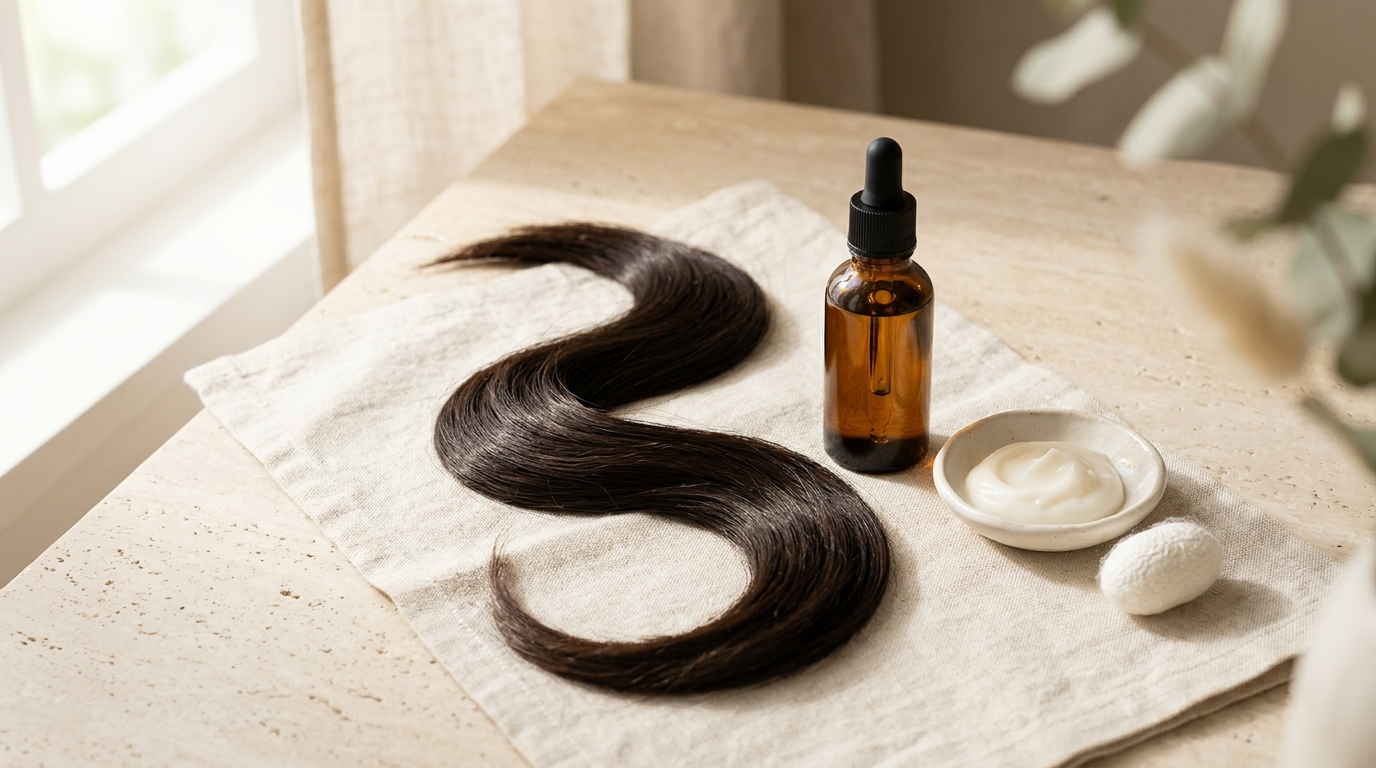
Hair care is one of the oldest uses of silk proteins in cosmetics. Silk-derived ingredients help the hair surface feel smooth and look glossy, and they work in rinse-off and leave-on products alike.
This page shows which Livora ingredient suits which hair care product, how to add it, and what to test. Use it as a starting point for your first trial. We make the ingredients in Ramanagara, Karnataka, so we can answer questions about a grade directly.
Which ingredient for which hair care product
These are starting points. Confirm the choice and the use level in your own formula, using the technical data sheet for the grade.
For shampoo
Easy to add to a water phase, with a conditioning feel
For conditioner
A smooth, film-forming feel on the hair surface
For hair mask
Combines molecular weights for body and softness
For leave-in treatment or serum
Light on the hair, with less build-up risk
Ingredients for hair care
Silk proteins
All silk proteins- Silk proteinsSilk Peptide Solution 10%INCI: Water, Hydrolyzed SilkShampooView grade
- Silk proteinsHydrolyzed Sericin Solution 10%INCI: Water, Hydrolyzed SericinShampooView grade
- Silk proteinsSilk PeptideINCI: Hydrolyzed SilkConditionerView grade
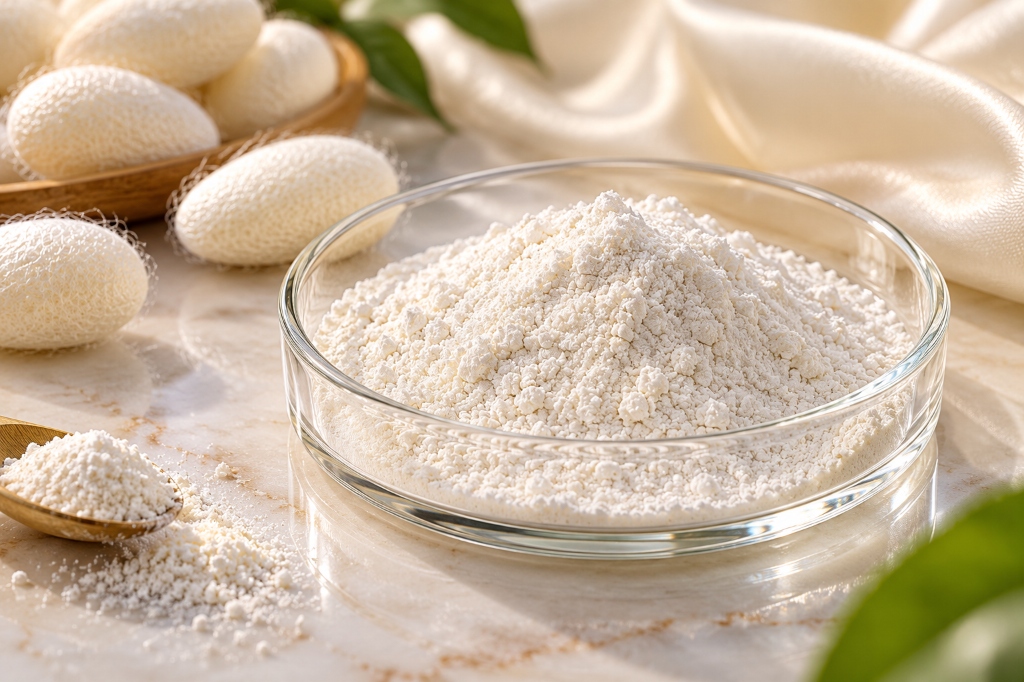
- Silk proteinsSericin Powder (High MW)INCI: SericinConditionerView grade
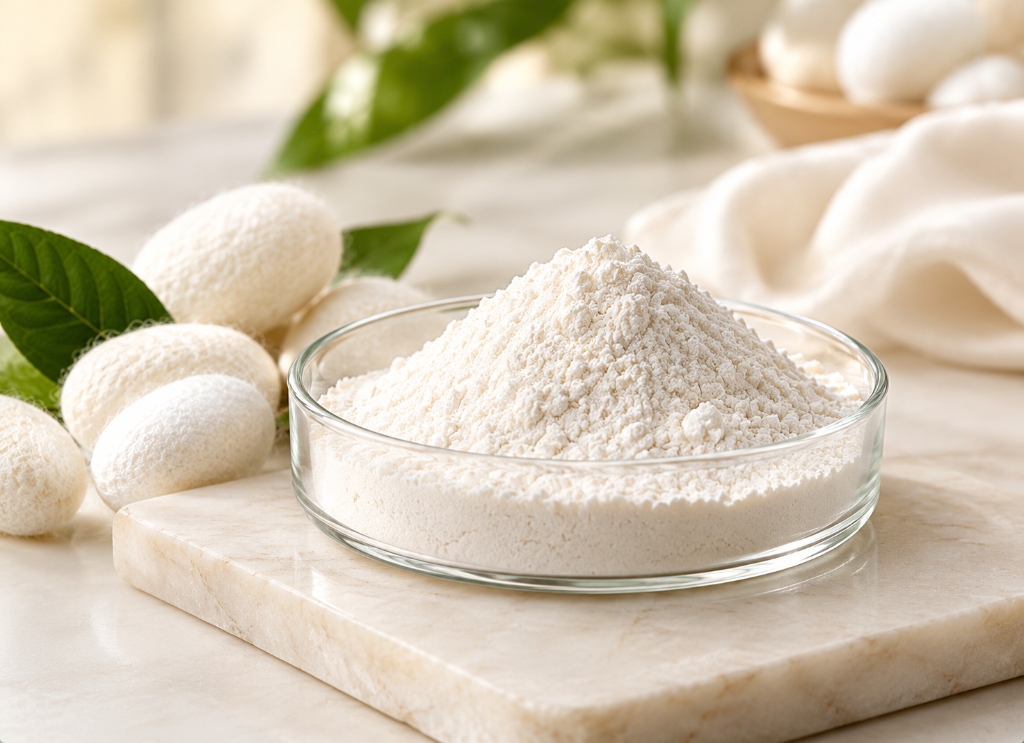
- Silk proteinsSilk Protein ComplexINCI: Hydrolyzed Silk (and) Hydrolyzed SericinHair maskView grade
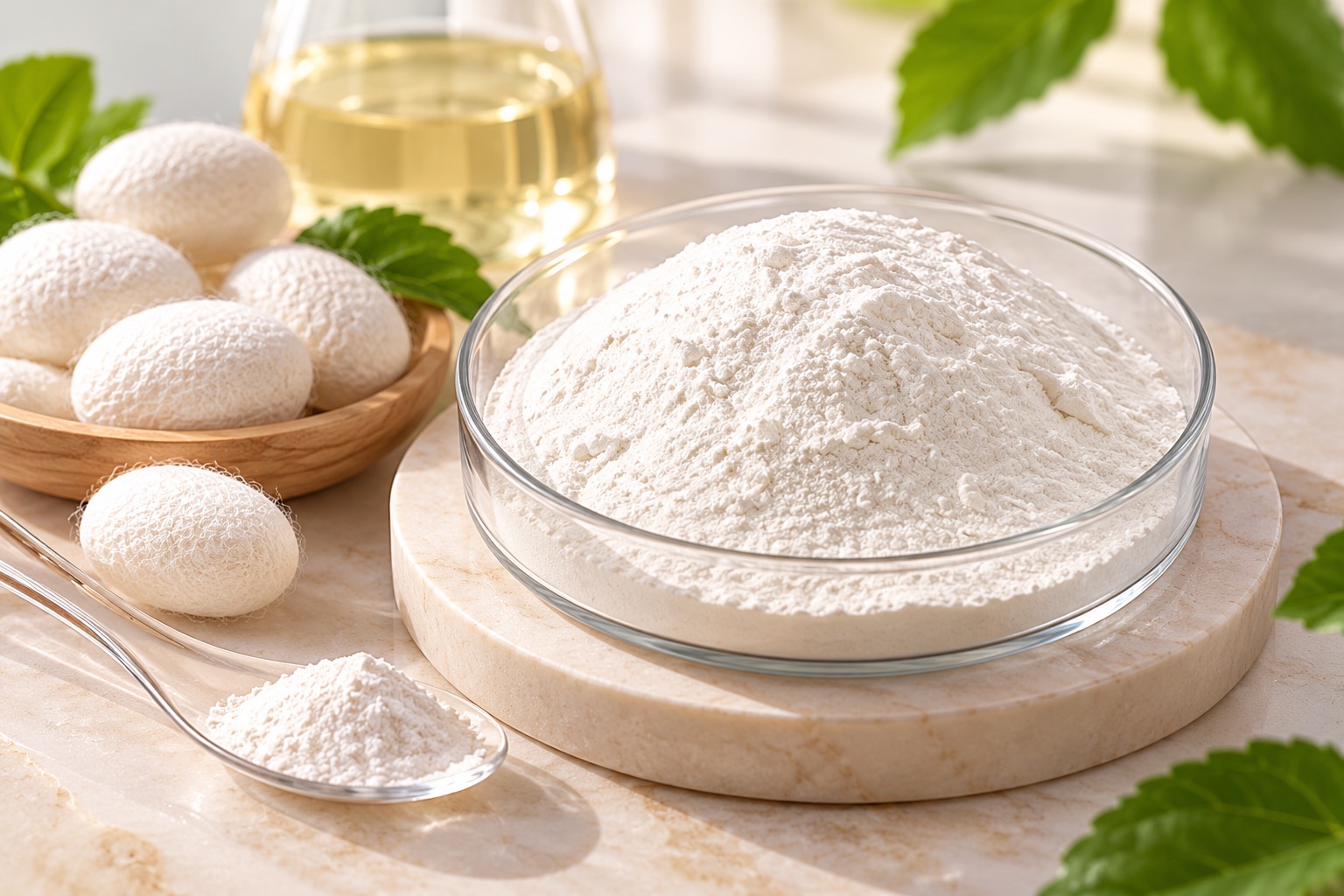
- Silk proteinsHydrolyzed Sericin (Low MW)INCI: Hydrolyzed SericinLeave-in treatment or serumView grade
- Silk proteinsSilk Amino AcidsINCI: Silk Amino AcidsLeave-in treatment or serumView grade
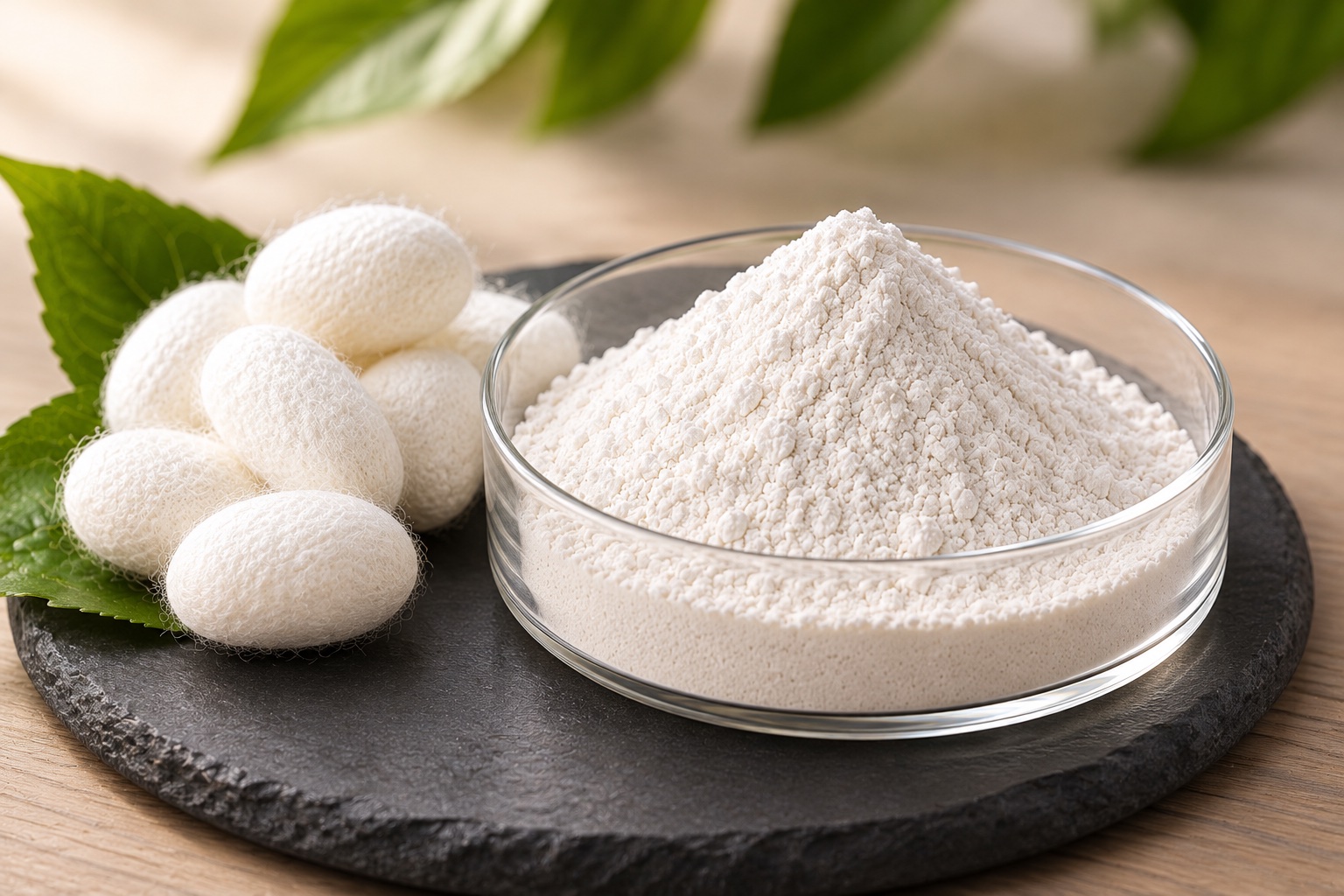
What silk proteins do in hair care
- 01
Conditioning
The hair surface feels smoother and is easier to comb.
- 02
Film-forming
Larger molecules leave a thin, flexible film that adds a coated, glossy look.
- 03
Moisture retention
Water-attracting amino acids help hair hold water.
- 04
Soft feel
Hair feels softer to the touch in a sensory panel.
How to add silk protein to a hair care formula
- 01
Shampoo
Water phase, before or with the surfactants, then check clarity and viscosity
- 02
Conditioner
Water phase, or as a cool-down addition, checking the temperature limit
- 03
Hair mask
Water phase before emulsifying, or in cool-down
- 04
Leave-in treatment
Water phase with the humectants
Formulating notes
Check the temperature limit on the technical data sheet before heating the phase that contains silk protein.
Measure the pH after adding the ingredient and adjust it to your target.
Check compatibility with cationic ingredients
Conditioners rely on cationic conditioning agents, so test for haze and separation before you scale up.
Check for build-up on hair after repeated use of a leave-in product.
Preserve the product well
Protein-rich water phases support microbial growth, so run a preservative challenge test.
Run stability tests (heat, cold and light) on the finished product.
What you can say on the label and in marketing
Use function words: conditioning, smoothing, film-forming, soft feel. Avoid claims such as repair, regrowth or treatment. Rules differ between Korea, Japan, the EU and the US, so check each claim against the market where you sell. You need data on your finished product to support a claim, and we can supply the ingredient data you need.
Frequently asked questions
Which silk protein is best for conditioner?
A film-forming grade such as Sericin Powder or a Silk Peptide gives the surface a smooth coating feel. Compare one lower and one higher molecular weight grade in your own base.
Can silk protein go into shampoo?
Yes. Add it to the water phase and check clarity, viscosity and foam in your surfactant system. Test the finished product for stability and preservation.
Is silk protein suitable for leave-in products?
Yes, usually with a lower molecular weight grade, because it stays light on the hair. Check how it feels on hair after drying and test for build-up over repeated use.
Do silk proteins repair hair?
No. Describe them with function words: conditioning, smoothing and film-forming. Avoid repair or treatment claims, and check the rules in the market where you sell.
Do you provide samples for a hair care trial?
Yes. Tell us your product type and target market, and we will send a sample with the technical data sheet, certificate of analysis and safety data sheet.
Keep learning
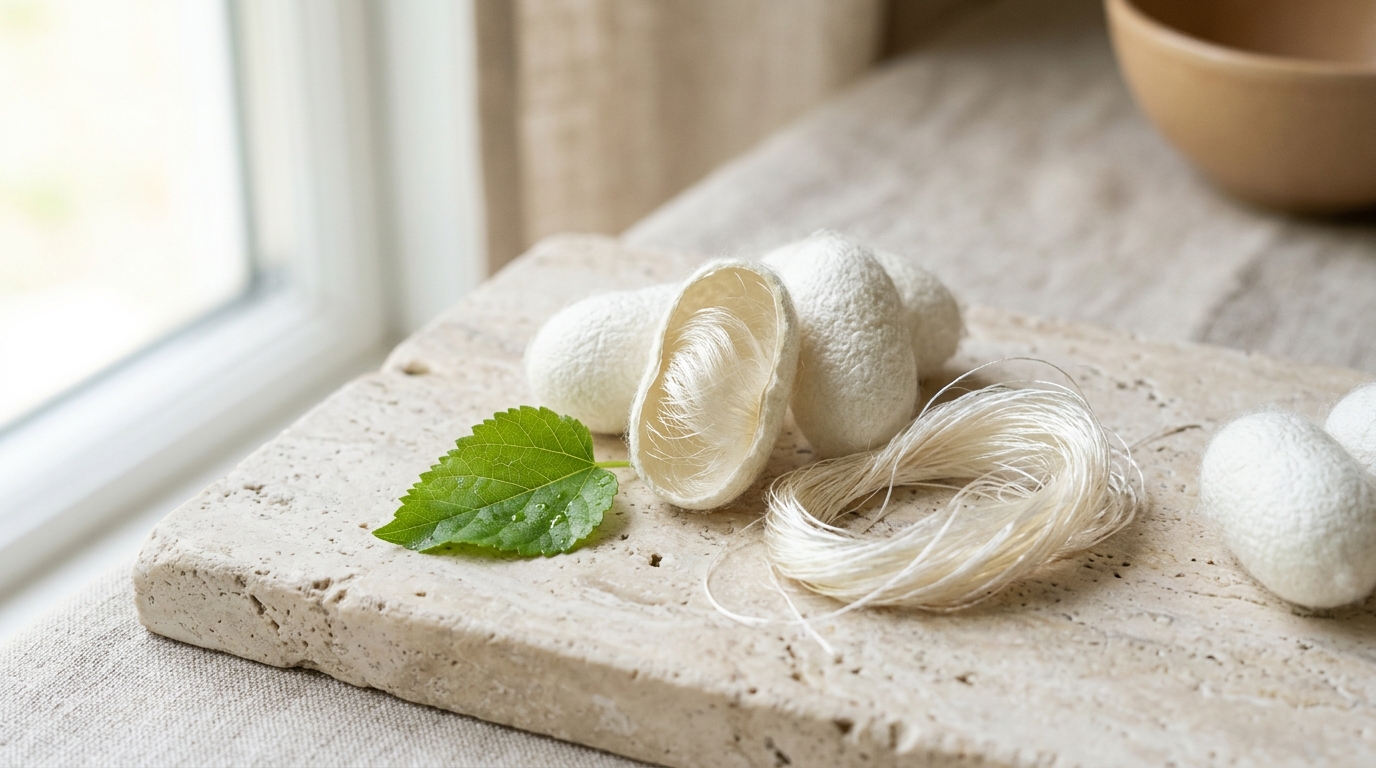 Silk proteins
What Is Sericin? A Formulator's Guide (2026)
Sericin is the protein that holds silk fibres together. Learn how it is made, what it does in cosmetics, and how to choose the right grade.6 min read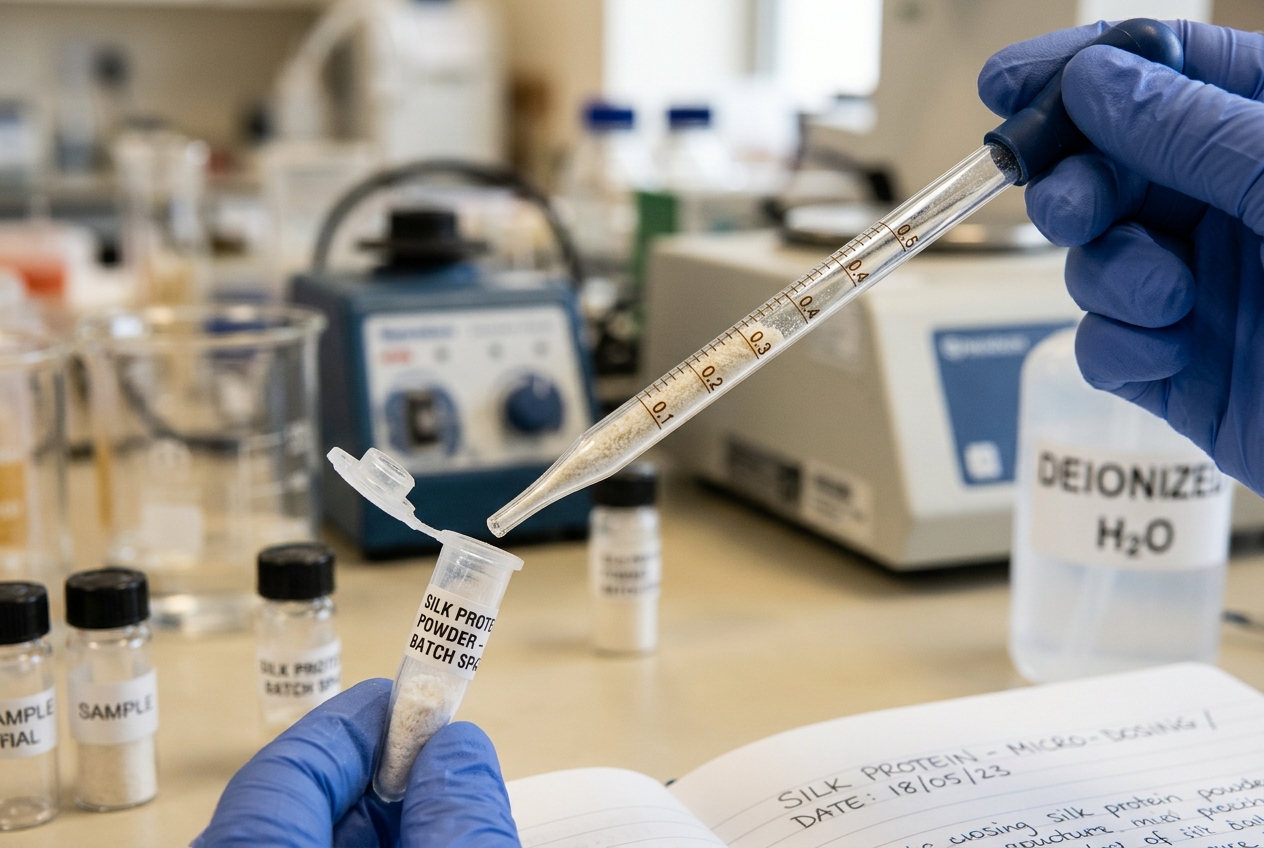 Buying guide
Sourcing Silk Protein From India: 10 Questions to Ask (2026)
Buying sericin or silk peptide from India? Ten questions to ask any supplier about source, documents, batches, samples and shipping.3 min read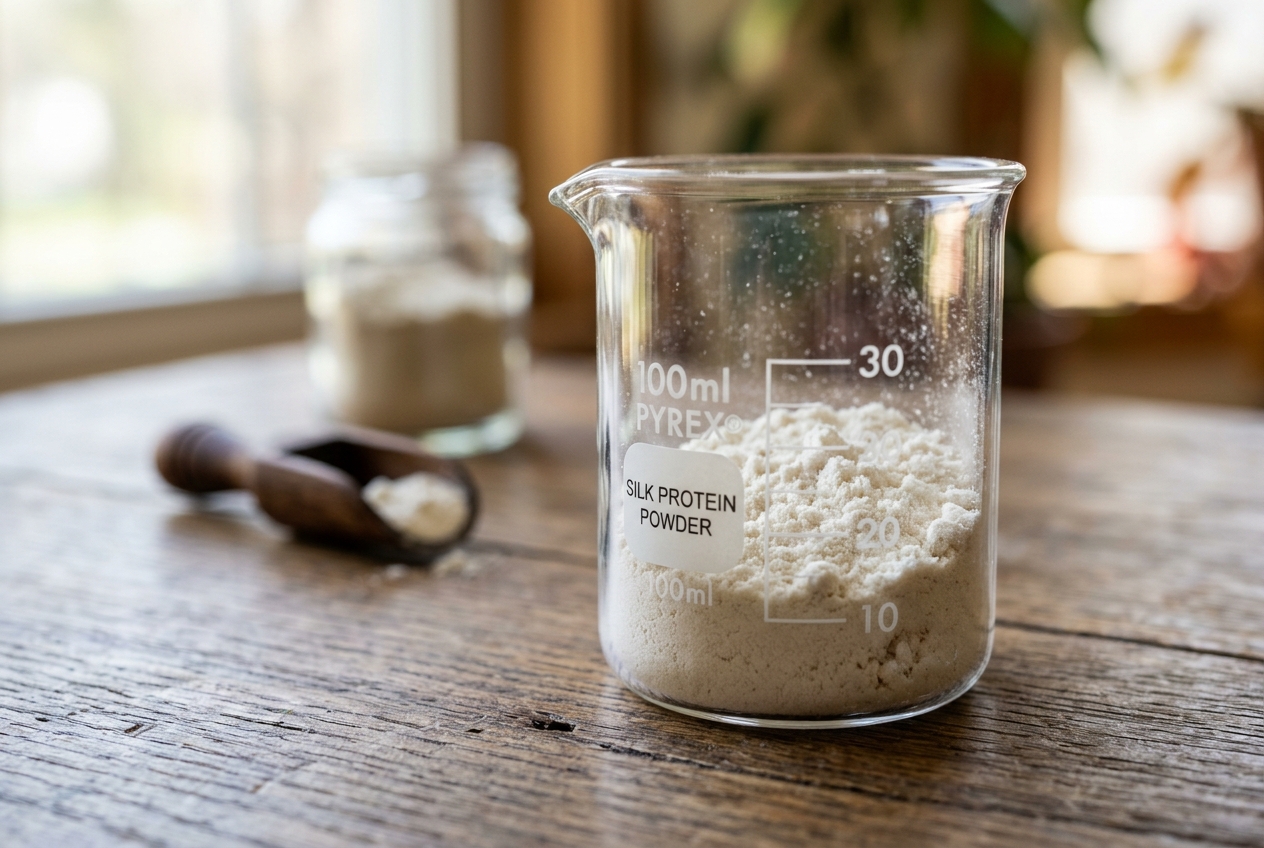 Formulation
How to Trial Silk Protein in a Formula: A 6-Step Plan (2026)
A practical plan for trialling sericin or silk peptide in a cosmetic formula: what to prepare, compare, measure and record.3 min read

Start a hair care trial
Tell us the product type and target market. We will recommend a grade and send the technical data sheet and a sample.