How to Trial Silk Protein in a Formula: A 6-Step Plan (2026)
 By Livora Team3 min readUpdated
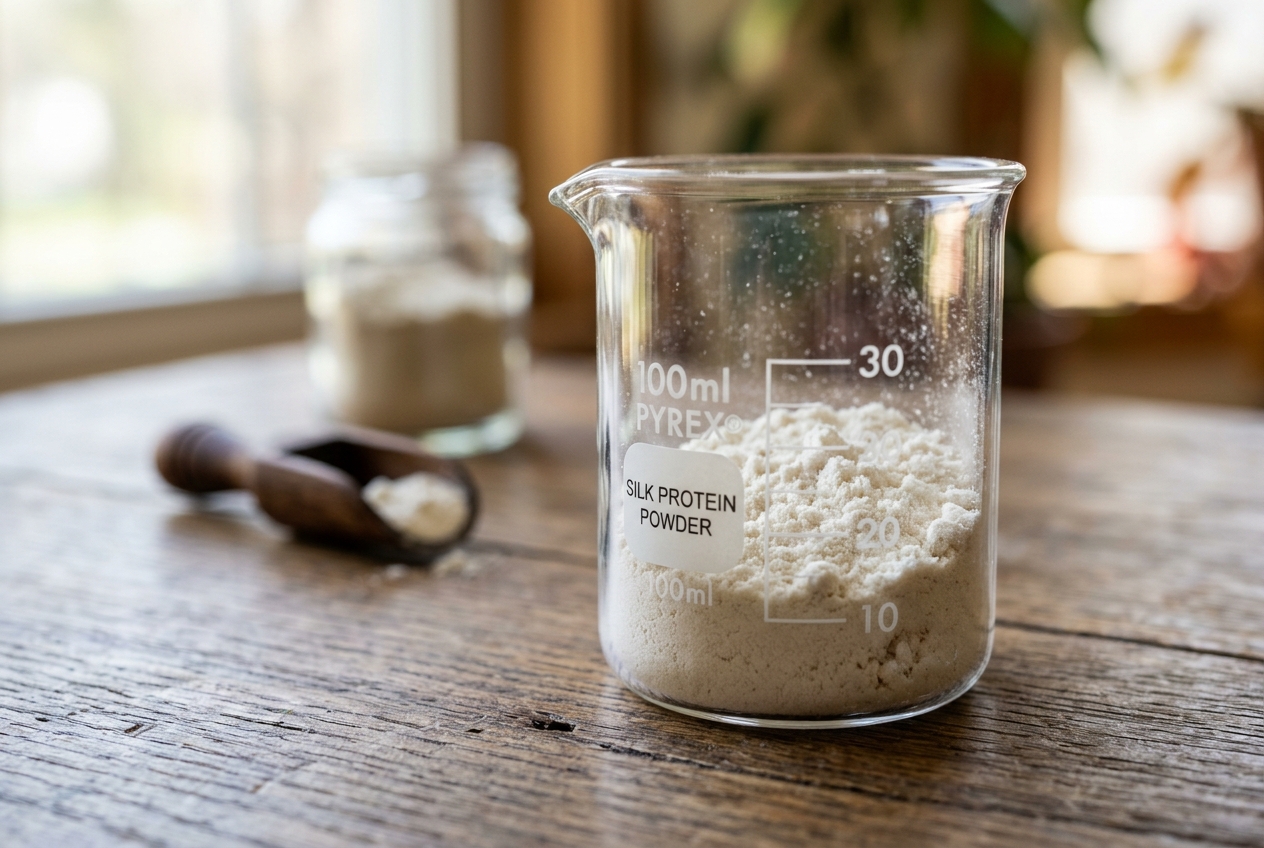
A sample arrives. You have a base formula and a deadline. How do you find out, quickly and fairly, whether a silk protein belongs in your product?
This guide gives you a six-step trial plan. It works for sericin, silk peptide, silk amino acids and silk powder, and it keeps your comparison honest. All use levels and limits must come from your own data sheet.
Why plan the trial?
Most failed trials fail for one reason: too many things changed at once. If the base, the grade and the process all change, you cannot tell what caused the result. A short plan fixes this.
The six steps
1. Define the product
Write down what you are making: a toner, a serum, a cream, a conditioner, a powder. Note the target market and the effect you want, using function words such as conditioning or soft feel.
2. Choose two grades
Pick one smaller and one larger grade, for example hydrolyzed sericin and sericin powder. This is the choice that changes the result most. See Hydrolyzed sericin vs sericin powder for how to choose.
3. Fix one base
Use the same base formula and process for every sample. Make one control without silk protein, so you have something to compare.
4. Add the ingredient and check the basics
Add it where the technical data sheet allows, below the temperature limit. Then check:
- pH, and adjust to your target
- clarity and colour
- viscosity
- odour
5. Judge the feel and the stability
Ask a small panel to compare the samples blind and record their notes. Then put the finished products through heat, cold and light conditions. Run a preservative challenge test, because proteins support microbial growth.
6. Record everything
For each sample, keep the grade, batch number, use level, process notes, results and photos. Keep the certificate of analysis for the batch with the record. See our guide to TDS, COA, SDS and INCI.
A simple record sheet
| Item | Control | Grade A | Grade B |
|---|---|---|---|
| Batch number | n/a | ||
| Use level | 0 | ||
| pH | |||
| Clarity and colour | |||
| Viscosity | |||
| Feel notes | |||
| Stability result |
Mistakes to avoid
- Changing the base between samples.
- Testing one grade only.
- Skipping the control.
- Copying a use level from another product.
- Over-claiming. Report what you measured. Do not turn a feel result into a treatment claim.
Final thoughts
A good trial is small, fair and recorded. Two grades, one base, one control, and good notes will tell you more than a dozen untracked samples.
Frequently asked questions
How much silk protein should I use in a trial?
Start from the use level on the technical data sheet and test a lower and a higher level. Do not copy a number from another product.
When do I add silk protein to the process?
Usually in the water phase or cool-down, but check the temperature limit and the pH range on the technical data sheet.
What should I measure?
pH, clarity, viscosity, colour, odour, feel, preservation and stability.
How long should a stability test run?
Follow your own company protocol and the standard for your market. Run heat, cold and light conditions on the finished product.
Can Livora help with the trial?
Yes. Tell us your product type and base, and we will suggest grades and send samples with documents.
Written by
Livora Team
Silk protein ingredients, Ramanagara, Karnataka
We make sericin and silk fibroin ingredients for cosmetics in Ramanagara, Karnataka, from cut cocoons.
Our guides explain what each ingredient is and how formulators use it, in plain language.
Keep learning
 Silk proteins
Hydrolyzed Sericin vs Sericin Powder: Which One to Use (2026)
Hydrolyzed sericin and sericin powder differ in molecular weight and feel. Learn how to choose between them for toners, serums and creams.3 min read Buying guide
TDS, COA, SDS and INCI Explained: A Buyer's Guide (2026)
What a TDS, COA, SDS and INCI name tell you, when to ask for each, and the red flags to watch for in a cosmetic ingredient supplier's paperwork.5 min read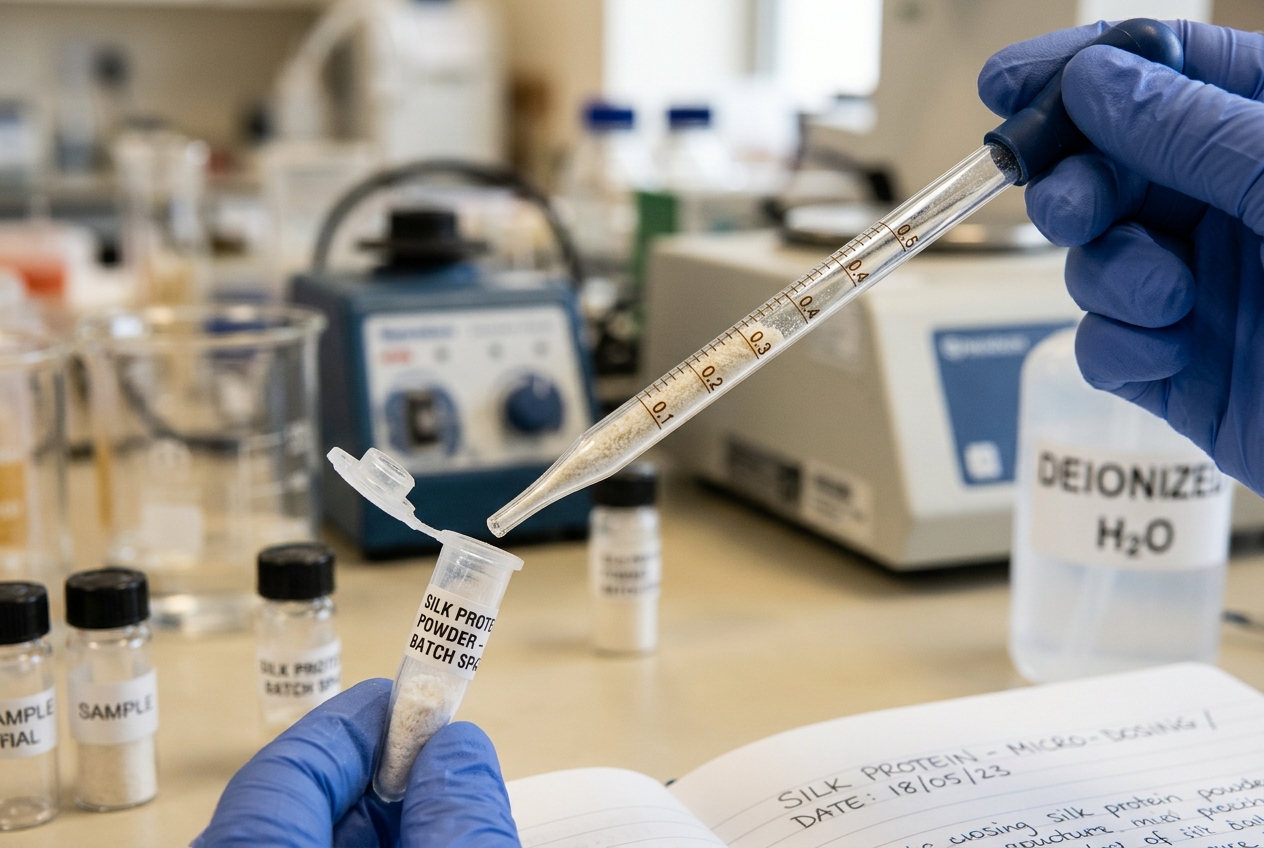 Buying guide
Sourcing Silk Protein From India: 10 Questions to Ask (2026)
Buying sericin or silk peptide from India? Ten questions to ask any supplier about source, documents, batches, samples and shipping.3 min read Silk proteins
Sericin vs Fibroin: What Is the Difference? (2026)
Sericin and fibroin are the two proteins in silk. Learn where each comes from, how they differ, and which one suits your cosmetic product.3 min read