Sourcing Silk Protein From India: 10 Questions to Ask (2026)
 By Livora Team3 min readUpdated
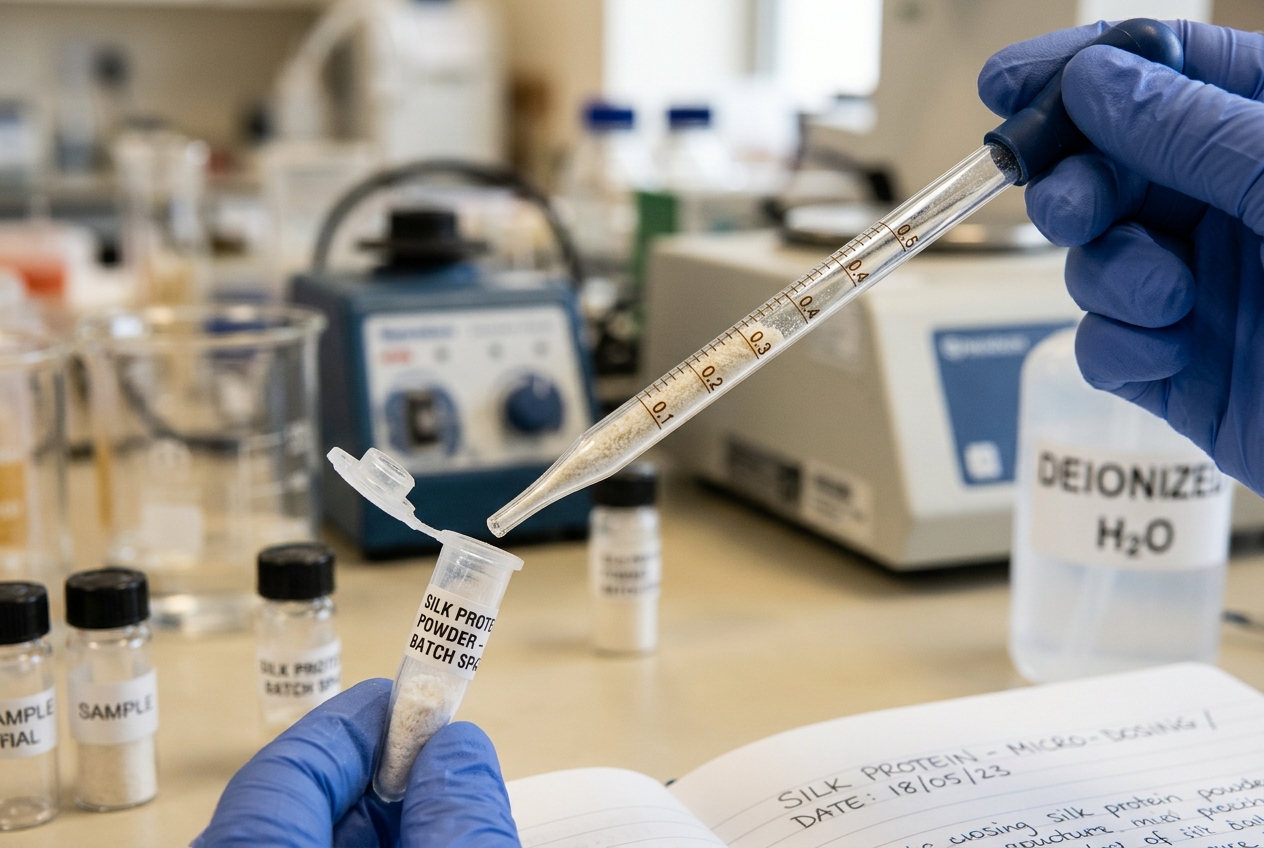
India has long been a centre of silk production, so it is a natural place to look for silk-derived ingredients. But a good source is not enough. What matters is how clearly a supplier can answer your questions.
This guide gives you ten questions to ask any supplier of sericin, silk peptide or silk powder, and what a good answer sounds like. We make these ingredients in Ramanagara, Karnataka, so we also answer each question for ourselves.
Why source silk protein from India?
India produces silk and has a long tradition of working with cocoons. For a buyer, that means access to raw material close to the processing, and a supplier who can tell you where it came from.
Location is not a quality guarantee, however. Treat it as the start of your questions.
Ten questions to ask a silk protein supplier
1. Where do the cocoons come from?
You want a region, how the cocoons are graded, and how they are cleaned. A supplier who cannot say is a supplier you cannot audit.
2. How is the ingredient made?
You do not need every detail, but you should get the main steps. Ours are on the process page.
3. What is the molecular weight range?
This decides how the ingredient behaves. It should be on the technical data sheet, as a range.
4. Which documents come with a sample?
Expect a technical data sheet, a certificate of analysis and a safety data sheet, plus the INCI name. Read our guide to TDS, COA, SDS and INCI.
5. Can you trace a batch?
Ask whether a batch number on the pack leads back to the raw material and the date of manufacture.
6. What are the microbial limits?
Protein ingredients need good microbial control. The data sheet should state the limits and the test results should appear on the certificate of analysis.
7. What is the shelf life, and how should it be stored?
Ask for both, in writing, and ask what happens after opening a pack.
8. What is your sample policy?
Ask how fast samples ship, which quantity you get, and whether the sample comes from a production batch.
9. What is the minimum order?
Ask for the minimum per grade and whether trial quantities exist.
10. How is it packed and shipped?
Ask about pack sizes, labelling, export paperwork and typical lead times to your country.
What a good answer looks like
- It is specific: a range, a date, a region.
- It is in writing.
- It arrives in days, not weeks.
- It matches what the documents say.
What Livora answers
We make sericin and other silk protein ingredients in Ramanagara, Karnataka. Send us your questions with your product type, and we will answer them in writing and send a sample with its documents.
Final thoughts
Choose a supplier the way you choose an ingredient: by evidence. Ask the ten questions, compare the answers, and trust the supplier who makes it easy.
Frequently asked questions
Where does India make silk protein ingredients?
Silk is produced in several Indian states. Livora makes sericin and silk protein ingredients in Ramanagara, Karnataka, a well-known silk cocoon market town.
What documents should an Indian supplier send?
A technical data sheet, a certificate of analysis for the batch and a safety data sheet, plus the INCI name. See our guide to the four documents.
Can I get a sample before ordering?
You should be able to. Ask what the sample costs, which batch it comes from and whether it comes with a certificate of analysis.
What should I ask about the raw material?
Where the cocoons come from, how they are graded and cleaned, and whether the supplier can trace a batch back to its source.
What is a minimum order?
Many suppliers set a minimum order quantity per grade. Ask early, and ask whether trial quantities are available for evaluation.
Written by
Livora Team
Silk protein ingredients, Ramanagara, Karnataka
We make sericin and silk fibroin ingredients for cosmetics in Ramanagara, Karnataka, from cut cocoons.
Our guides explain what each ingredient is and how formulators use it, in plain language.
Keep learning
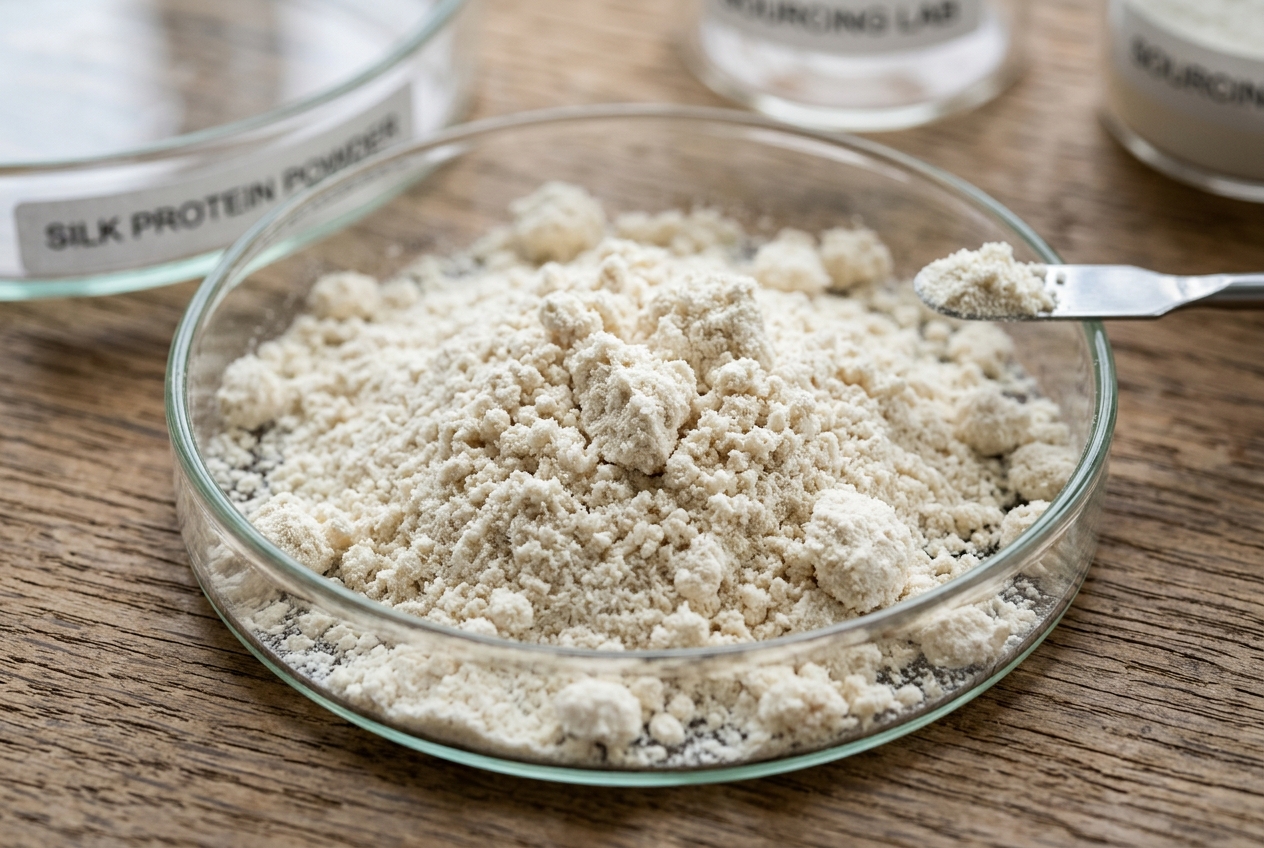 Buying guide
TDS, COA, SDS and INCI Explained: A Buyer's Guide (2026)
What a TDS, COA, SDS and INCI name tell you, when to ask for each, and the red flags to watch for in a cosmetic ingredient supplier's paperwork.5 min read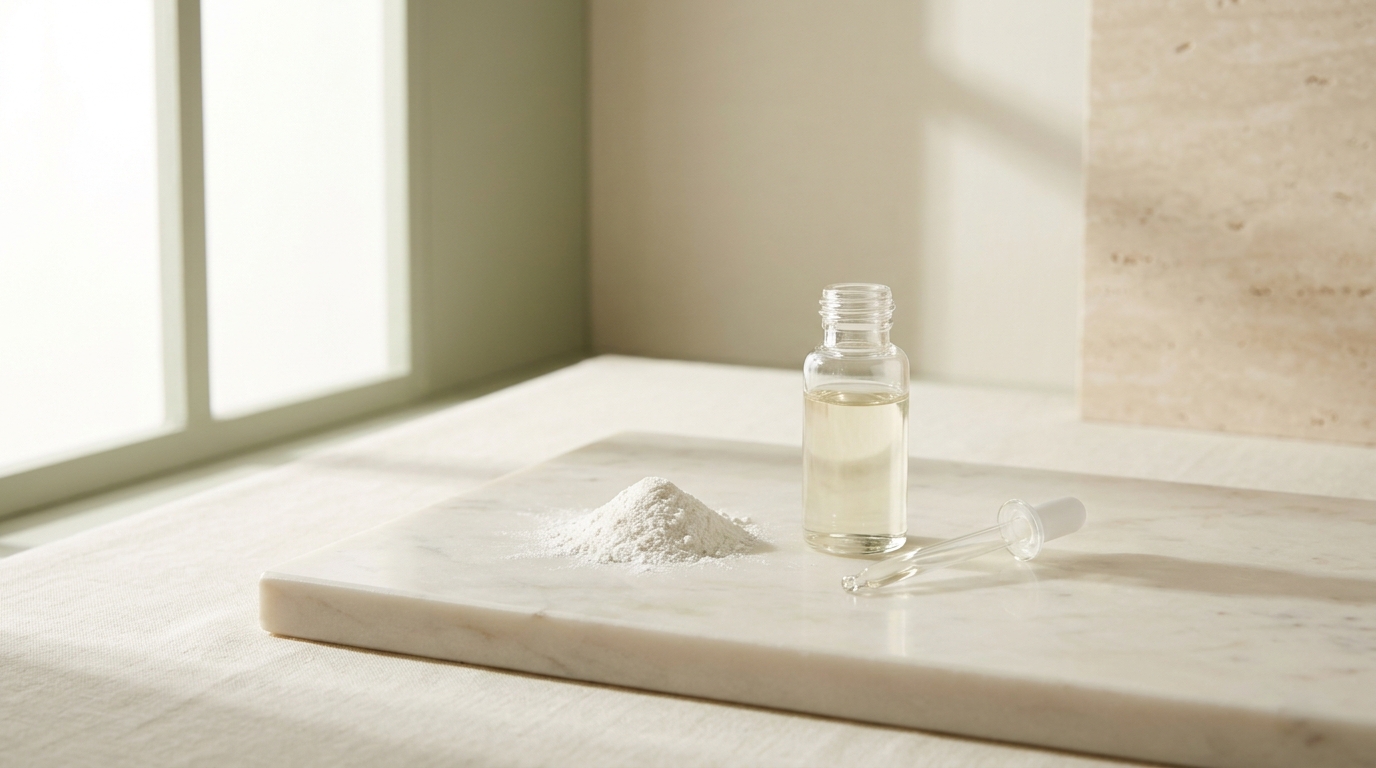 Silk proteins
Hydrolyzed Sericin vs Sericin Powder: Which One to Use (2026)
Hydrolyzed sericin and sericin powder differ in molecular weight and feel. Learn how to choose between them for toners, serums and creams.3 min read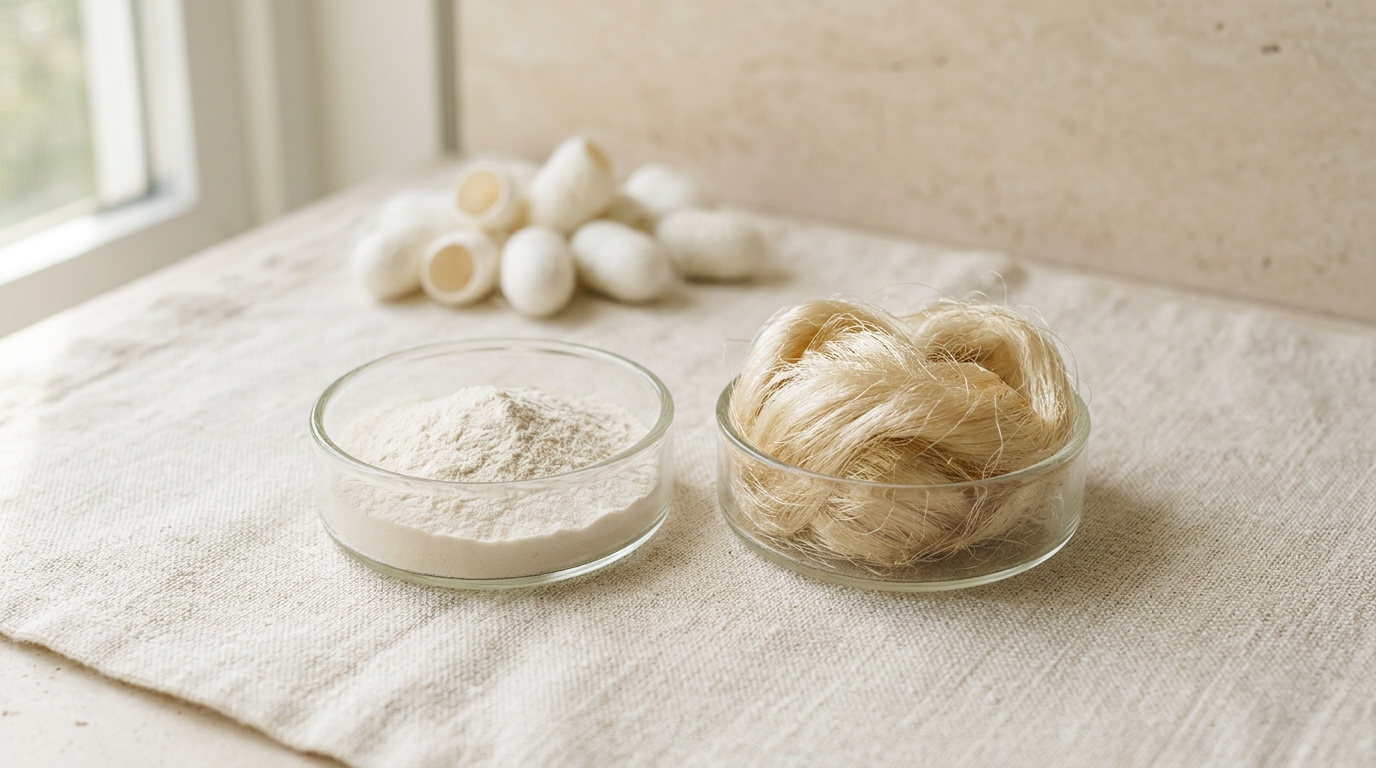 Silk proteins
Sericin vs Fibroin: What Is the Difference? (2026)
Sericin and fibroin are the two proteins in silk. Learn where each comes from, how they differ, and which one suits your cosmetic product.3 min read Silk proteins
What Is Sericin? A Formulator's Guide (2026)
Sericin is the protein that holds silk fibres together. Learn how it is made, what it does in cosmetics, and how to choose the right grade.6 min read