Makeup and sun care
Silk powder suits makeup such as foundations, pressed powders and blushes, where formulators use it for a smooth, soft feel and for slip. In sun care, silk proteins can contribute feel in the formula, but they do not protect from the sun. Sun protection must come from your approved UV filters.
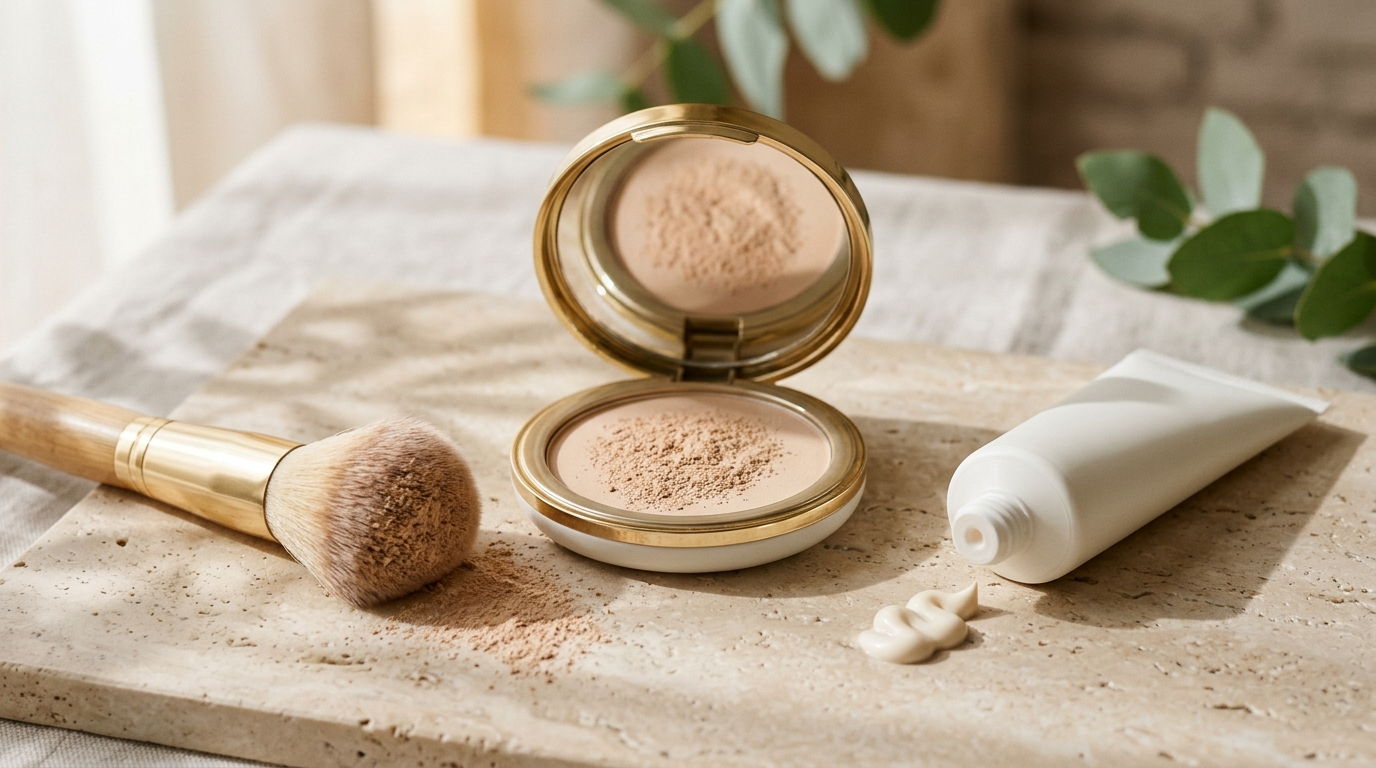
In makeup, the feel of a powder or foundation matters as much as its colour. Silk powder is used for a smooth, soft finish and for slip when the product goes on.
This page covers makeup and sun care together because the same ingredients appear in both. For makeup, silk powder is the main choice. For sun care, silk proteins play a small supporting role, and we explain it plainly below.
Which ingredient for which product
These are starting points. Confirm the choice and the use level in your own formula, using the technical data sheet for the grade.
For pressed or loose powder
A smooth, silky feel and slip
For foundation
Adds a soft, smooth finish
For blush or eye shadow
Slip and an even, silky application
For sunscreen lotion or after-sun
Skin feel and conditioning, not protection
Ingredients for makeup and sun care
Silk proteins
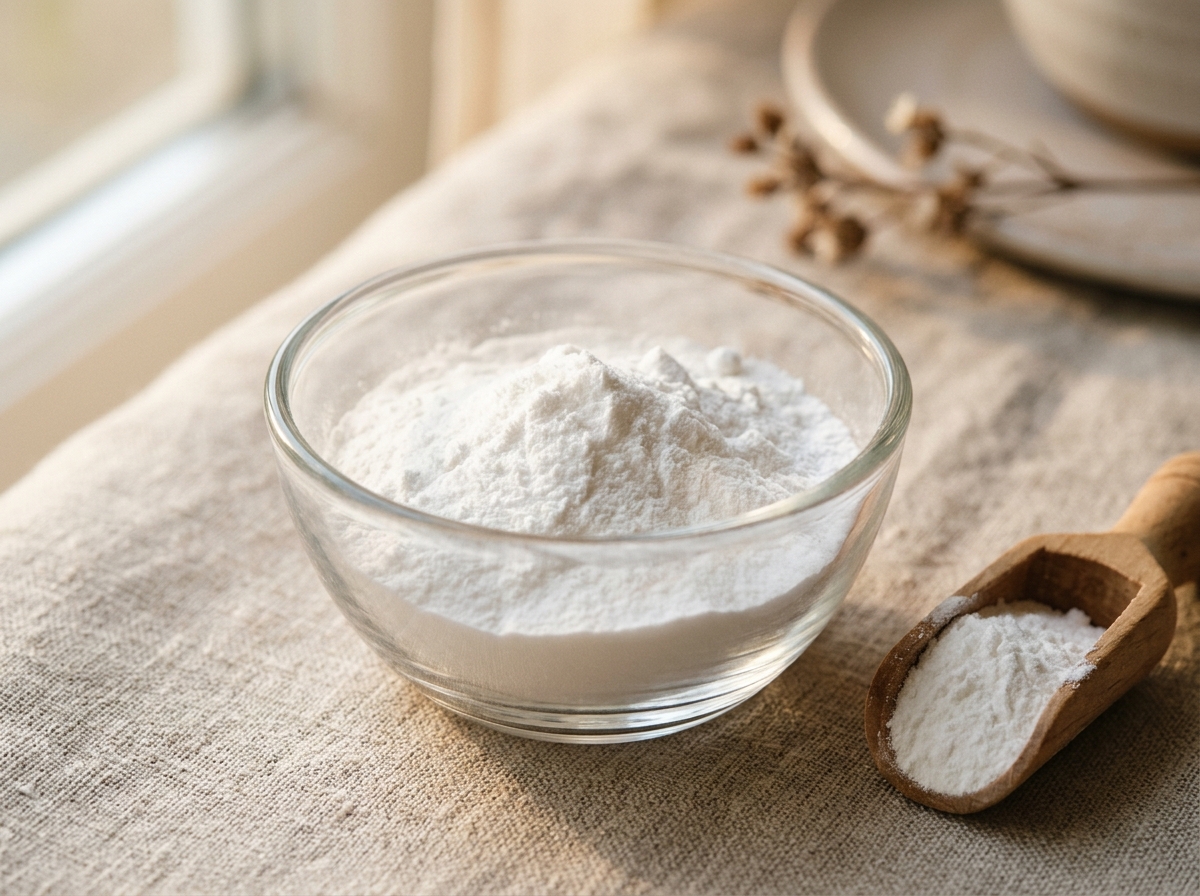
All silk proteins- Silk proteinsSilk Powder (Micronized)INCI: Silk PowderPressed or loose powderFoundationBlush or eye shadowView grade
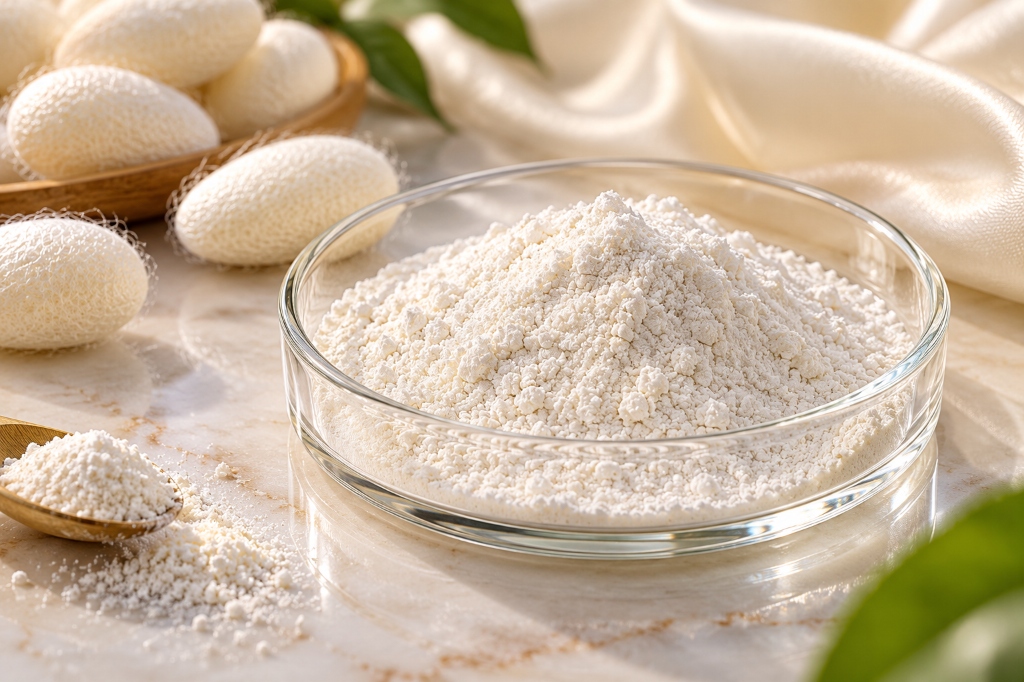
- Silk proteinsSilk PeptideINCI: Hydrolyzed SilkSunscreen lotion or after-sunView grade
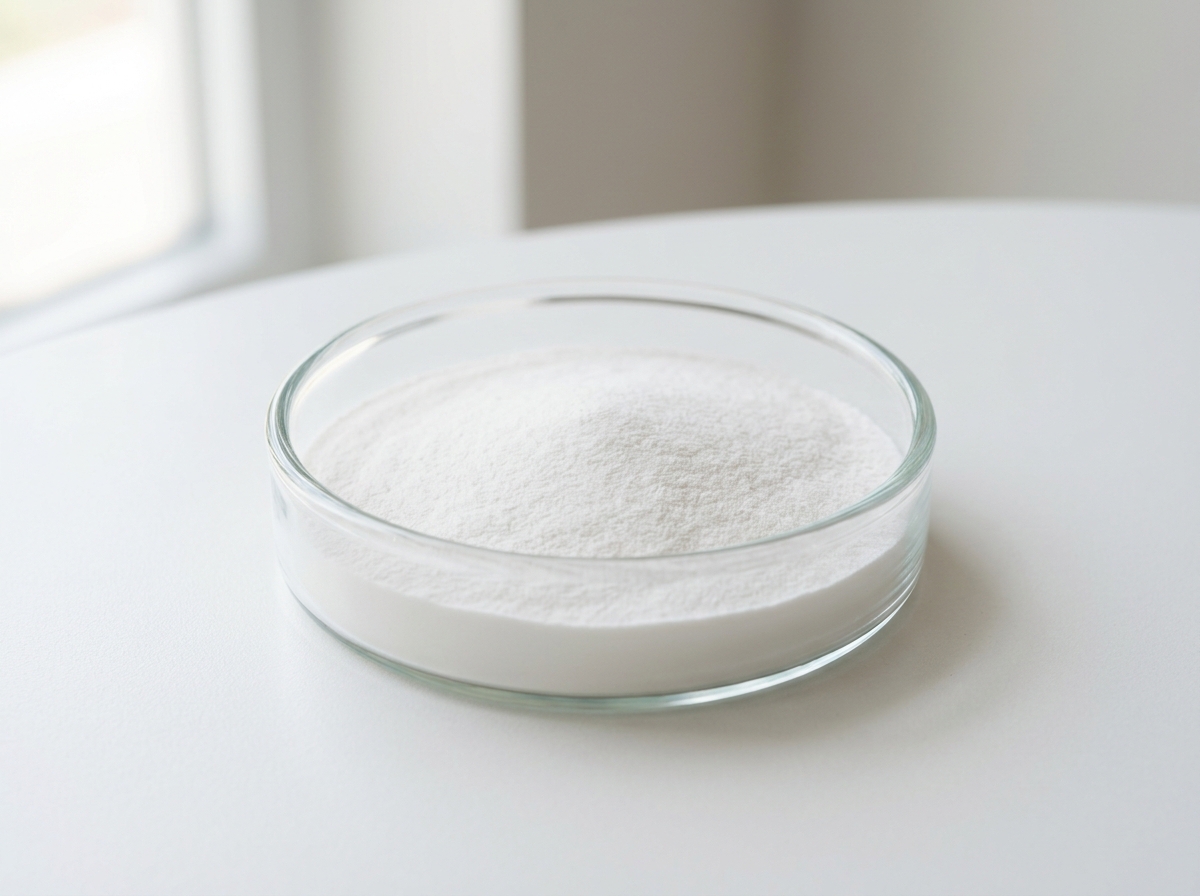
- Silk proteinsHydrolyzed Sericin (Low MW)INCI: Hydrolyzed SericinSunscreen lotion or after-sunView grade
What silk powder does in makeup
- 01
A smooth feel
The powder feels soft and silky on the skin.
- 02
Slip
Products glide on and spread evenly.
- 03
A soft finish
The product sits comfortably on the skin.
- 04
A natural-origin story
Silk powder comes from silk, which supports a naturally derived message. Read about our approach to sustainability.
Silk proteins in sun care: what is and is not true
Sun care is where claims go wrong. So we keep it simple:
- 01
What silk proteins can do
Add skin feel and conditioning to a lotion, cream or after-sun product.
- 02
What they cannot do
Protect skin from UV. They are not a sun filter and not a substitute for one.
- 03
What you must do
Use approved UV filters, and test the finished product for SPF in the market where you sell.
Formulating notes
Compare particle feel in your own base. Ask us for the particle size information on the technical data sheet.
Check colour and odour of the finished product, especially in light shades.
Test the pressing of powders: strength, breakage and how the cake picks up.
Check compatibility with your binders, oils and pigments.
Preserve water-containing products well, and run a preservative challenge test.
Run stability tests (heat, cold and light) on the finished product.
What you can say on the label and in marketing
For makeup, use feel words: silky, smooth, soft finish. For sun care, make sun protection claims only for the filters and the tested SPF of the finished product, never for silk protein. Rules differ between Korea, Japan, the EU and the US, so check each claim against the market where you sell.
Frequently asked questions
What is silk powder used for in makeup?
Formulators use it in pressed powders, loose powders, foundations and blushes for a smooth, silky feel on the skin and for slip during application.
Can silk protein protect skin from the sun?
No. Silk proteins are not UV filters. Sun protection must come from the approved UV filters in your formula, and your finished product needs its own SPF testing.
Why use silk protein in a sunscreen at all?
Some formulators add it for skin feel and conditioning in lotions and after-sun products. It is a feel ingredient, not a protection ingredient.
How do I choose the particle feel of a silk powder?
Ask for the particle size information on the technical data sheet, then compare samples in your own base. Texture is best judged in the finished product.
Do you provide samples for a makeup trial?
Yes. Tell us the product type and target market, and we will send a sample with the technical data sheet, certificate of analysis and safety data sheet.
Keep learning
 Silk proteins
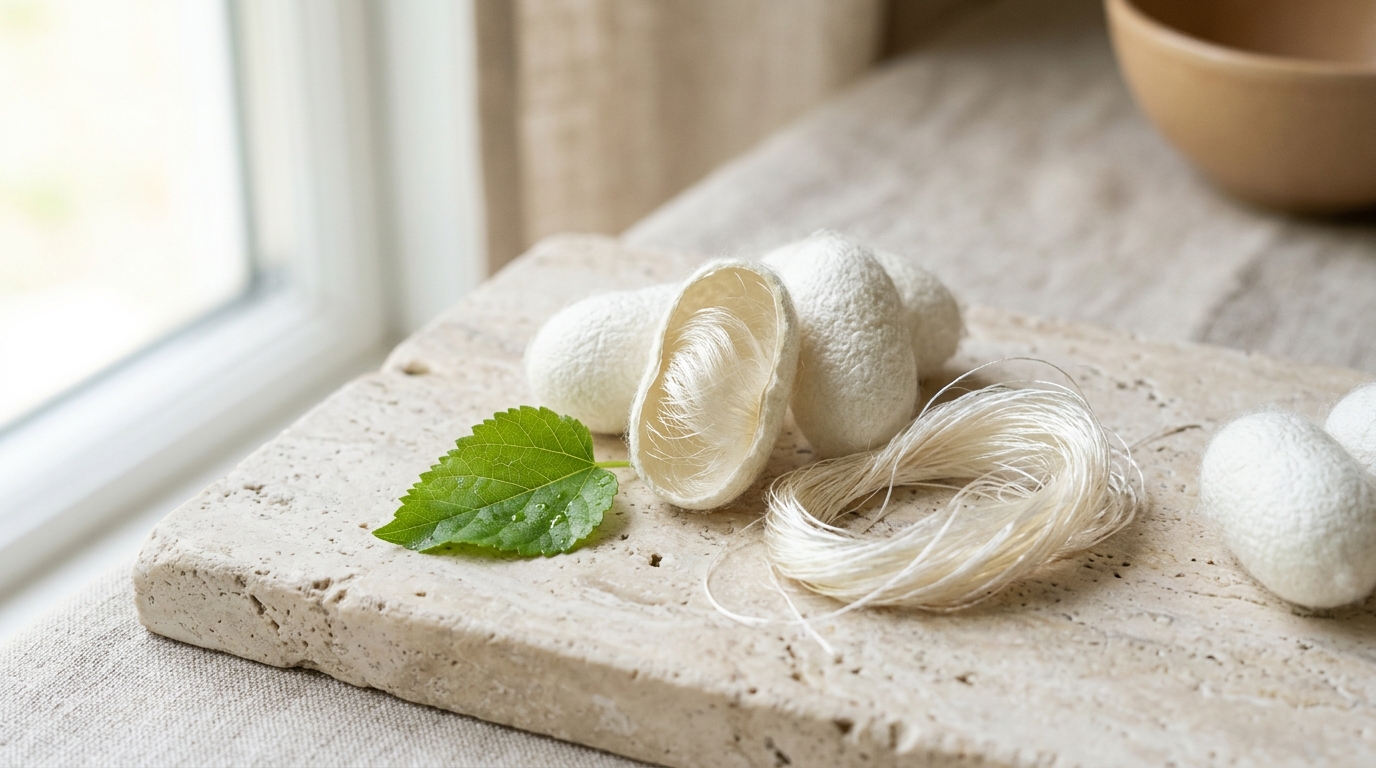
What Is Sericin? A Formulator's Guide (2026)
Sericin is the protein that holds silk fibres together. Learn how it is made, what it does in cosmetics, and how to choose the right grade.6 min read Silk proteins
Silk Peptide vs Silk Amino Acids vs Silk Powder (2026)
Silk peptide, silk amino acids and silk powder all come from silk fibroin. Learn how they differ and which suits your product.2 min read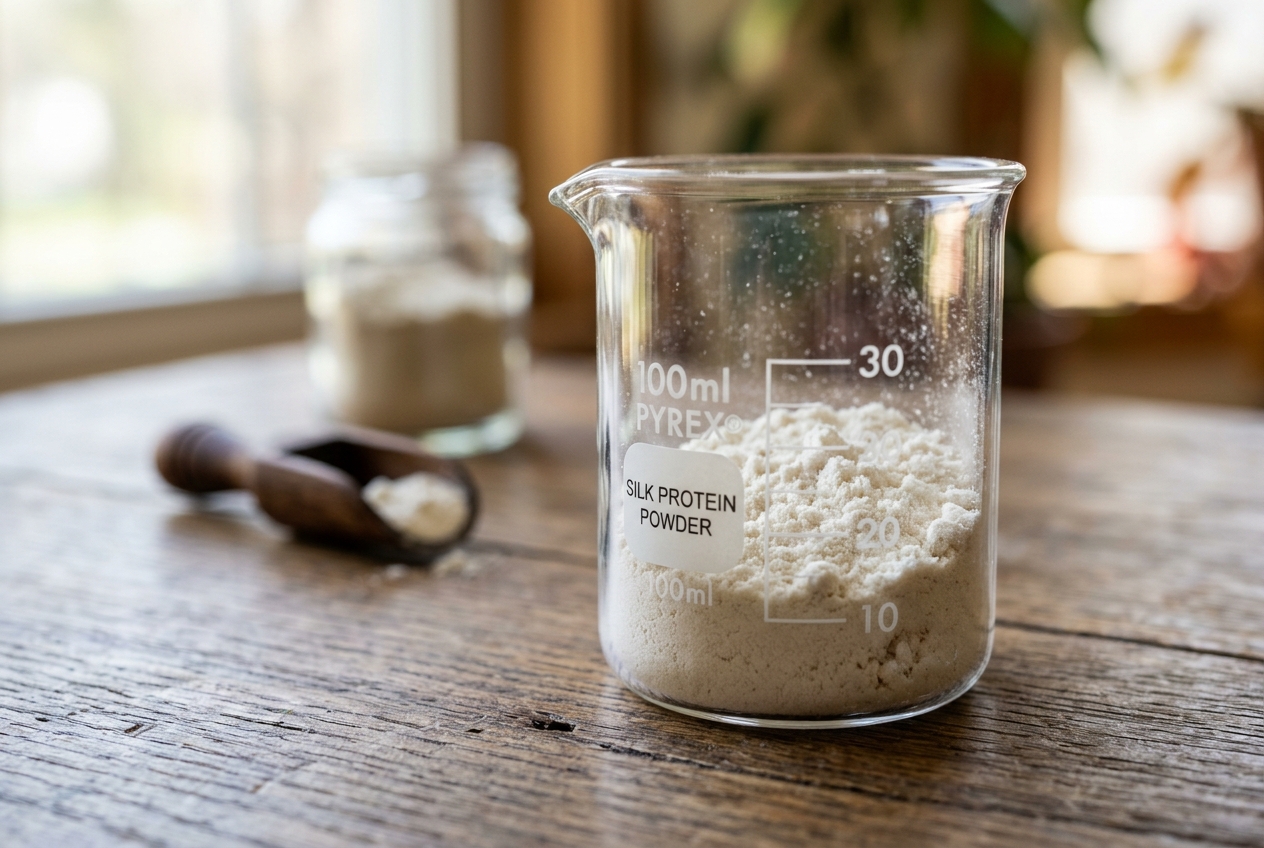 Formulation
How to Trial Silk Protein in a Formula: A 6-Step Plan (2026)
A practical plan for trialling sericin or silk peptide in a cosmetic formula: what to prepare, compare, measure and record.3 min read
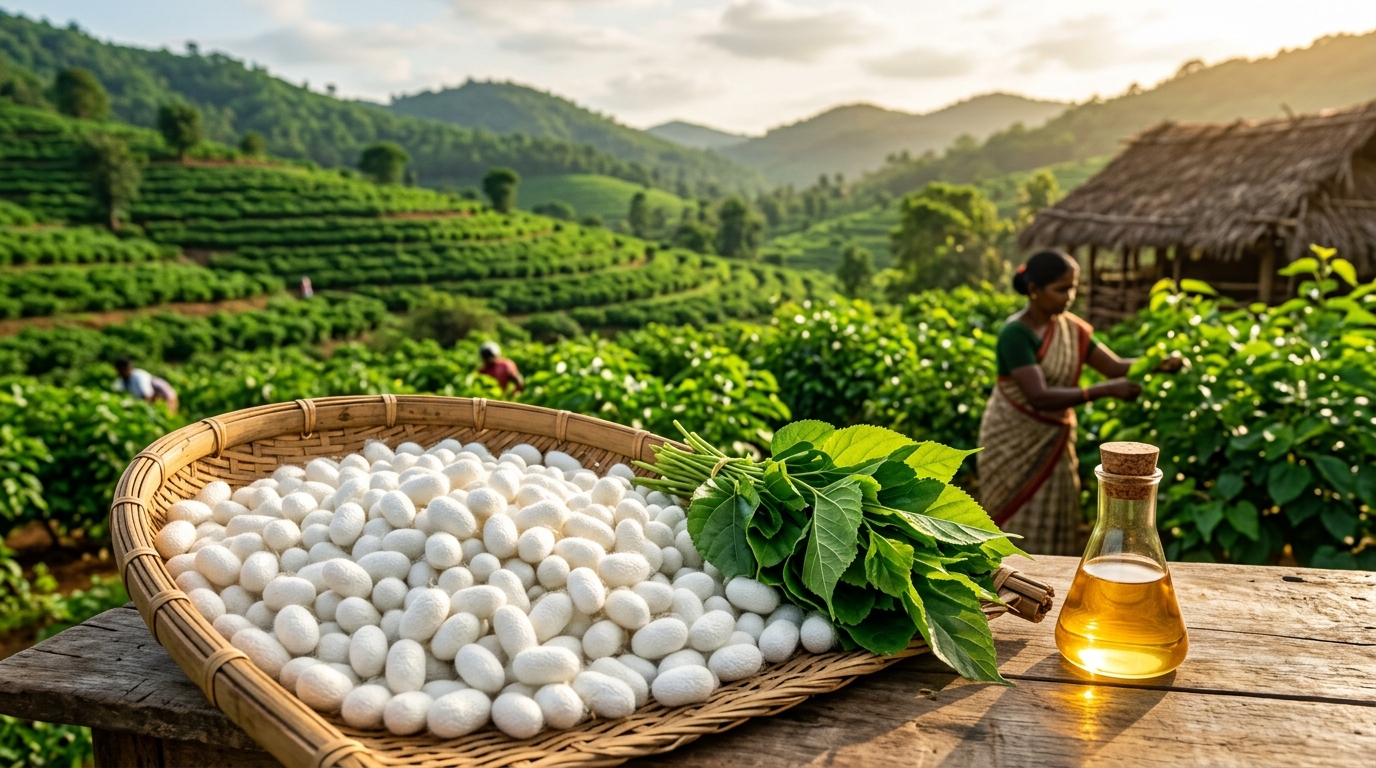
Start a makeup or sun care trial
Tell us the product type and target market. We will recommend a grade and send the technical data sheet and a sample.