Hydrolyzed Sericin vs Sericin Powder: Which One to Use (2026)
 By Livora Team3 min readUpdated
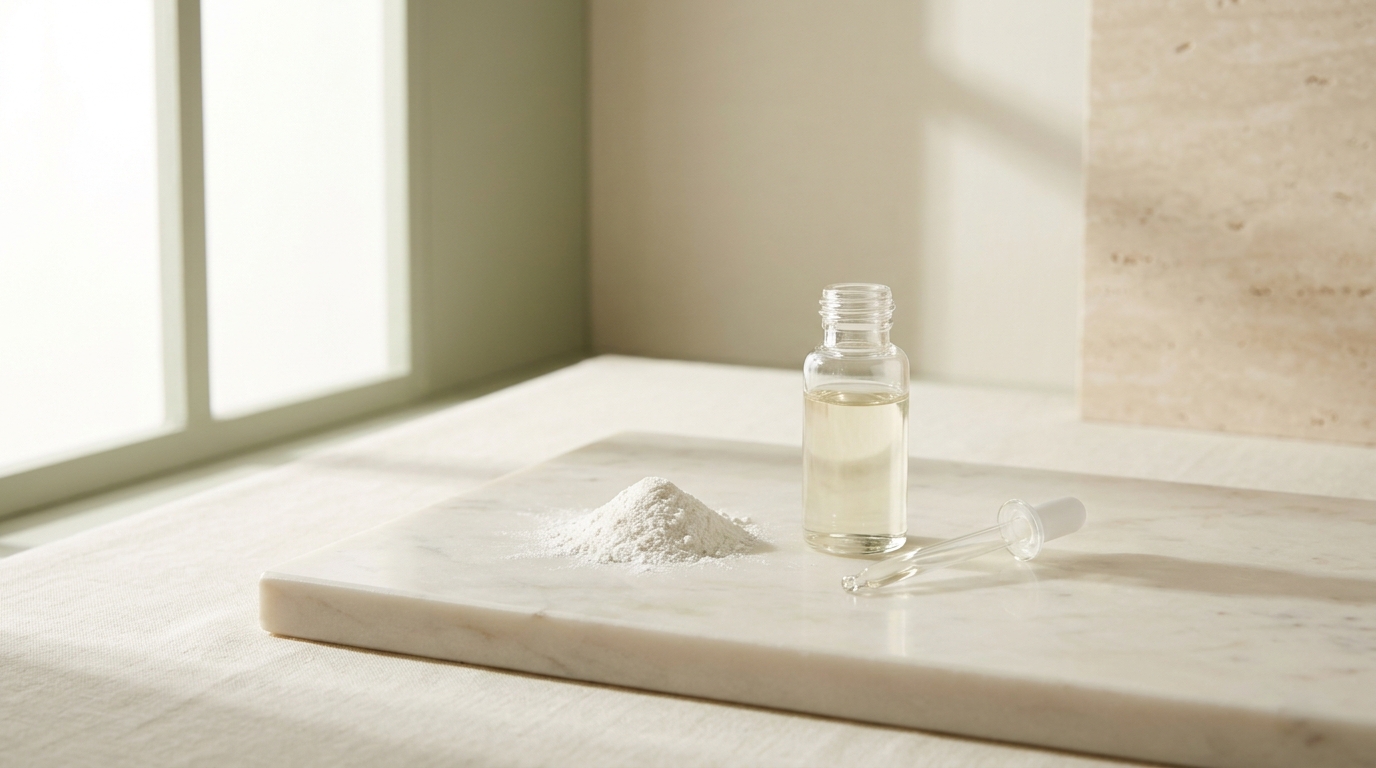
Two labels cause more confusion than any others in silk protein buying: "sericin powder" and "hydrolyzed sericin". Both come from the same coating on the silk thread. Yet they behave quite differently in a formula.
In this guide, we explain the difference, show where each one fits, and give you a simple way to choose. We supply both, so we are happy to explain what we see in trials.
What is sericin powder?
Sericin powder is sericin that has been extracted, purified and dried. Because it is not broken down further, it usually has larger molecules. Those larger pieces tend to stay on the surface and form a thin film. They also add body to a product.
See our Sericin Powder.
What is hydrolyzed sericin?
Hydrolyzed sericin is sericin that has been broken into smaller pieces. This step is called hydrolysis. It sets the molecular weight. Smaller pieces dissolve easily, stay clear in water and feel lighter on skin and hair.
We supply it as a powder and as a ready-to-use solution: Hydrolyzed Sericin and Hydrolyzed Sericin Solution.
How do they differ?
| Sericin powder | Hydrolyzed sericin | |
|---|---|---|
| Typical size of pieces | Larger | Smaller |
| Dissolving | Slower, in warm water | Easy |
| Feel | Body and film | Light and smooth |
| Clarity in water | Check at your use level | Usually good |
| Best for | Creams, lotions, primers | Toners, essences, serums, sheet masks, light hair care |
Which one for which product?
- Toner or essence: hydrolyzed sericin, for clarity and a light feel.
- Serum: hydrolyzed sericin, or compare it with silk amino acids.
- Cream or lotion: sericin powder, for film and body.
- Sheet mask: hydrolyzed sericin solution, which is quick to add.
- Leave-in hair product: a hydrolyzed grade, to avoid heaviness.
For the full table, see our page on skin care.
Powder or solution?
Powder gives you control over the dose and the water content, and it is easier to store and ship. A solution is ready to use and quick to add, but it carries water and needs its own preservation. Ask for the shelf life and storage conditions of either.
How to test them side by side
- Pick one of each. One hydrolyzed grade and one sericin powder.
- Use the same base. Change only the sericin.
- Check the basics. pH, clarity, viscosity, colour and odour.
- Judge the feel. Use a small panel and record notes.
- Run stability and preservation tests on the finished product.
Common mistakes
- Choosing by name. Always compare molecular weight ranges.
- Testing one grade. One sample hides the difference.
- Expecting the same clarity. Test clarity at your real use level.
- Skipping preservation tests. Proteins support microbial growth.
- Over-claiming. Use function words, such as conditioning and moisture-retaining.
Final thoughts
Sericin powder brings film and body. Hydrolyzed sericin brings lightness and easy dissolving. Start from your product, compare one of each, and let your own base decide.
Contact us with your product type and we will suggest two grades to compare.
Frequently asked questions
What does hydrolyzed sericin mean?
It is sericin that has been broken into smaller pieces by hydrolysis. The smaller size makes it easier to dissolve and gives a lighter feel.
Is hydrolyzed sericin better than sericin powder?
No. They suit different products. Hydrolyzed sericin suits light, clear, watery products. Sericin powder suits products where a film and body help.
Which one is better for a toner?
Usually a hydrolyzed grade, because it dissolves easily and keeps a watery product clear. Confirm clarity at your use level.
Should I buy the powder or the solution?
Choose powder if you want to control dose and water content. Choose a solution if you want something ready to use and quick to add.
How do I know the molecular weight?
Ask the supplier for the molecular weight range on the technical data sheet. The product name alone does not tell you.
Written by
Livora Team
Silk protein ingredients, Ramanagara, Karnataka
We make sericin and silk fibroin ingredients for cosmetics in Ramanagara, Karnataka, from cut cocoons.
Our guides explain what each ingredient is and how formulators use it, in plain language.
Keep learning
 Silk proteins
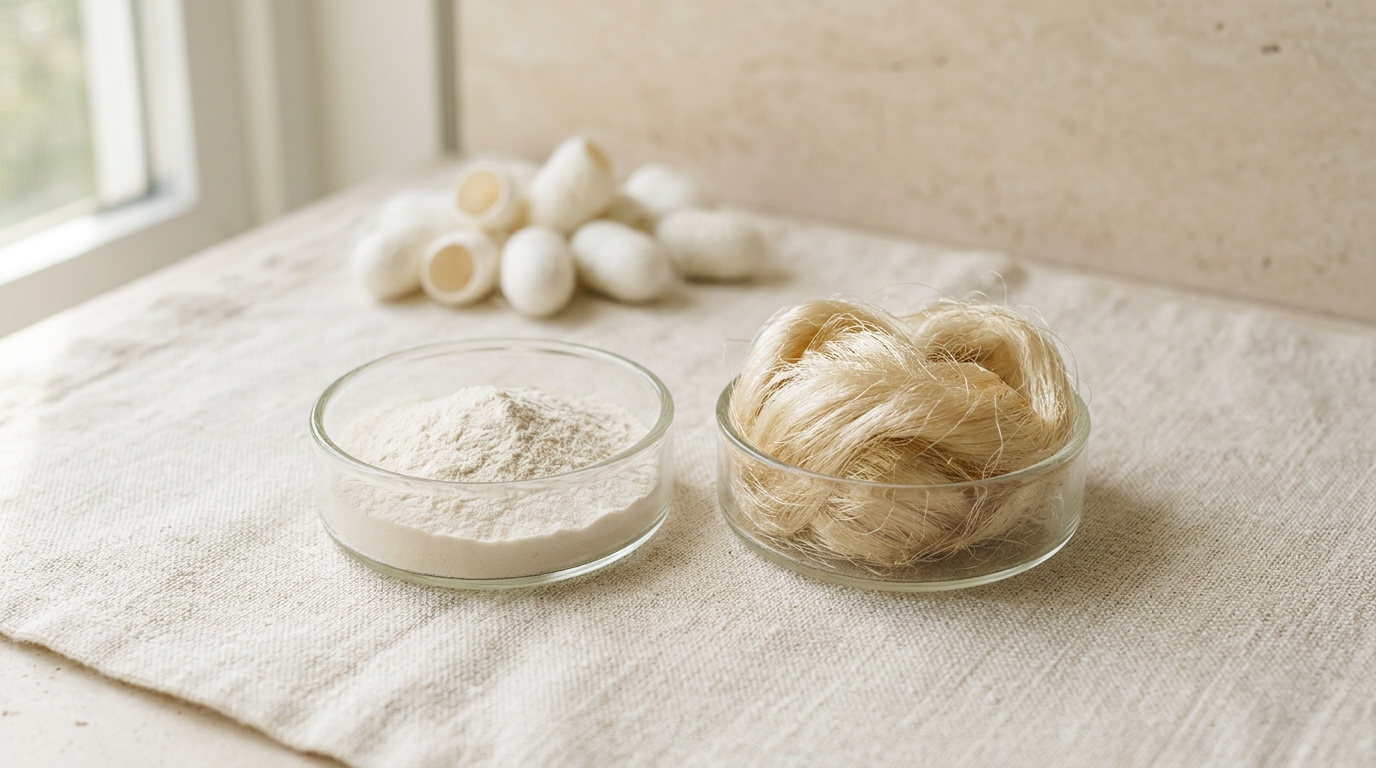
Sericin vs Fibroin: What Is the Difference? (2026)
Sericin and fibroin are the two proteins in silk. Learn where each comes from, how they differ, and which one suits your cosmetic product.3 min read Buying guide
TDS, COA, SDS and INCI Explained: A Buyer's Guide (2026)
What a TDS, COA, SDS and INCI name tell you, when to ask for each, and the red flags to watch for in a cosmetic ingredient supplier's paperwork.5 min read Silk proteins
Silk Peptide vs Silk Amino Acids vs Silk Powder (2026)
Silk peptide, silk amino acids and silk powder all come from silk fibroin. Learn how they differ and which suits your product.2 min read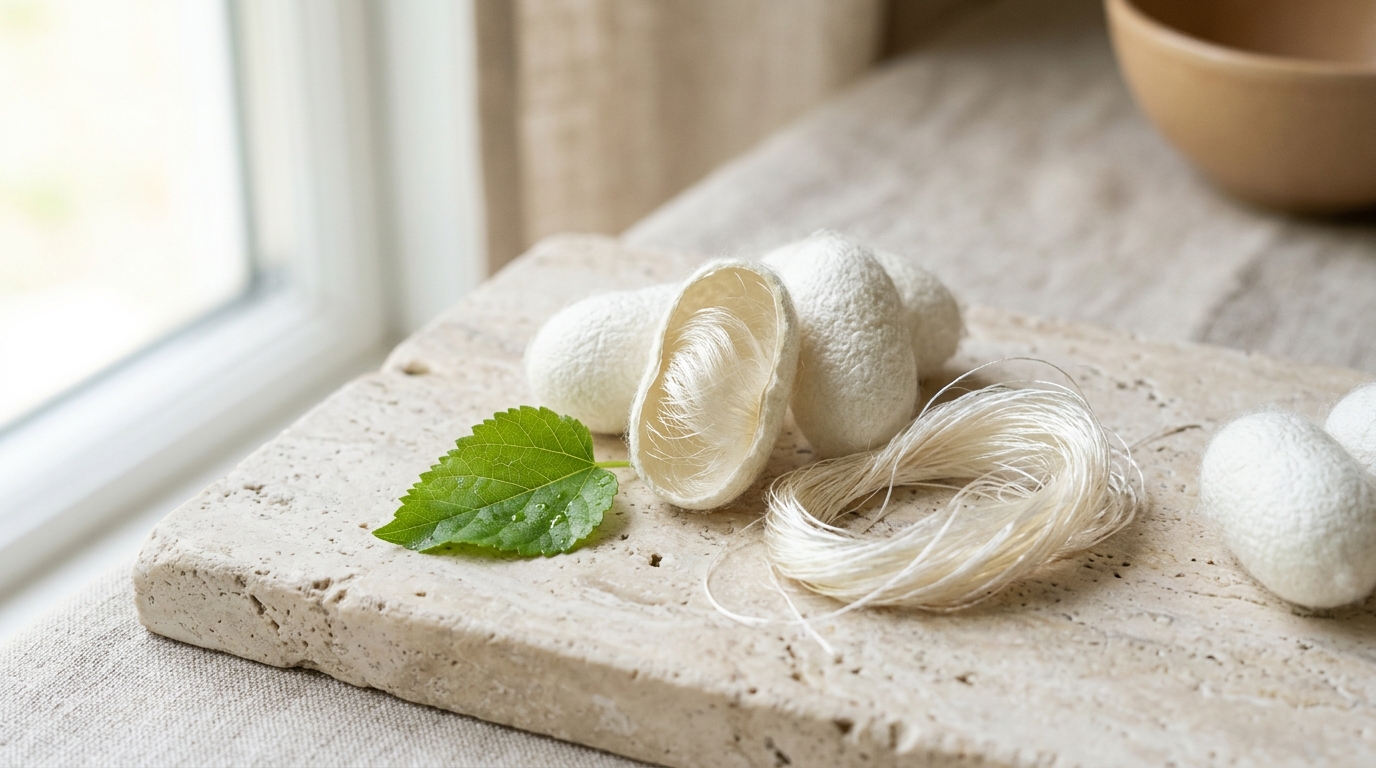 Silk proteins
What Is Sericin? A Formulator's Guide (2026)
Sericin is the protein that holds silk fibres together. Learn how it is made, what it does in cosmetics, and how to choose the right grade.6 min read